
Those Aren’t Stains: 7 Carpet Problems Professional Cleaning Cannot Fix
First, What Is the Difference Between a Carpet Stain and Carpet Damage?
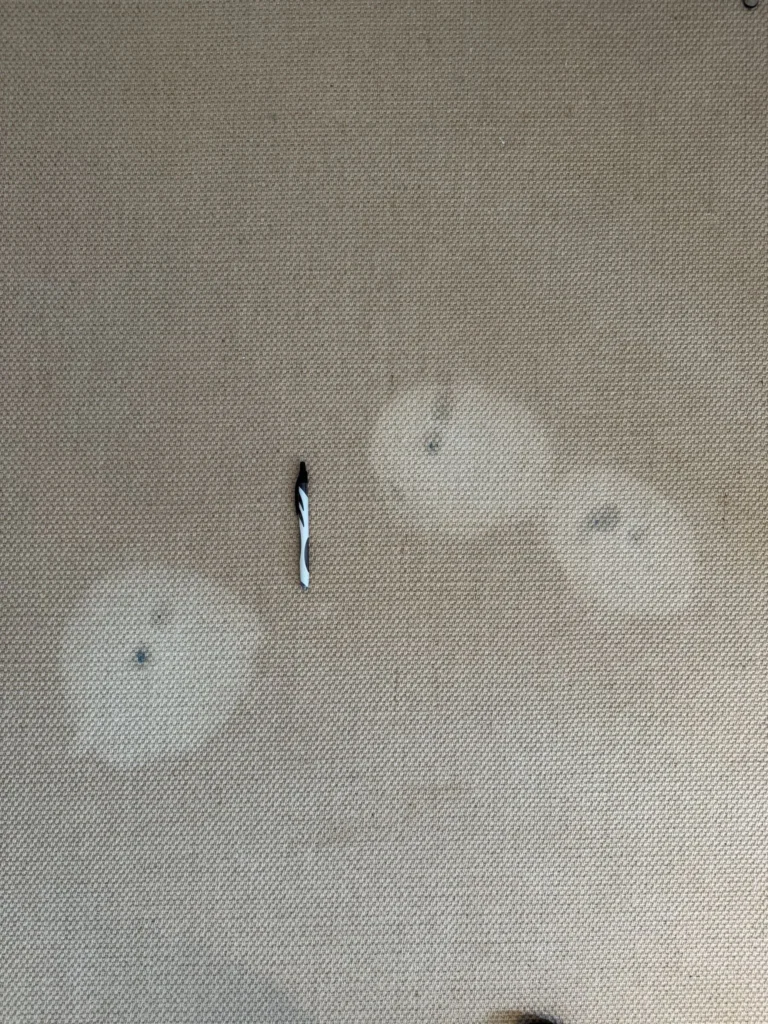
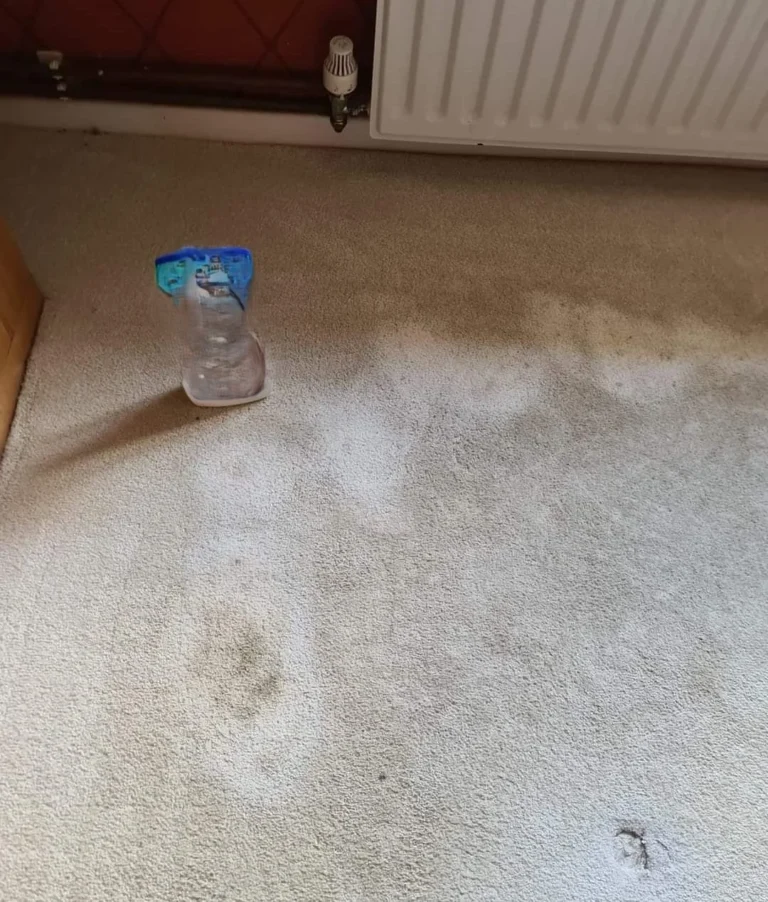
Bleach Damage and Chemical Colour Loss
-
Why Can Household Cleaning Products Cause Carpet Damage?
Not every household cleaning product suits every carpet fibre. Strong chemicals, unsuitable stain removers, and incorrect concentrations can damage dyes, fibres, backing materials, or surrounding areas. Wool carpets require particularly careful product selection. The WoolSafe Organisation also warns that bleach can migrate through the carpet pile and potentially damage backing and underlay, even when the face fibre itself has greater chemical resistance. Consequently, reaching for the strongest product in the cupboard can turn a removable stain into permanent carpet damage. -
Can You Repair Bleach Damage?
Sometimes. Depending on the carpet, size and position of the damaged area, professional carpet repair may provide a better solution than cleaning. For example, a technician may replace a small damaged section using suitable donor carpet. The important point remains simple: colour loss requires a different solution from stain removal.
Sun Fading Can Look Like Uneven Cleaning
-
Will Professional Carpet Cleaning Remove Sun Fading?
No. Cleaning can remove accumulated soil and improve the overall appearance, but it cannot restore lost dye to the carpet. In fact, professional cleaning can occasionally make existing fading more noticeable because removing surrounding soil reveals the carpet's true colour. Therefore, a lighter section near a large window doesn't automatically indicate poor cleaning. Instead, you may simply be seeing years of uneven light exposure.
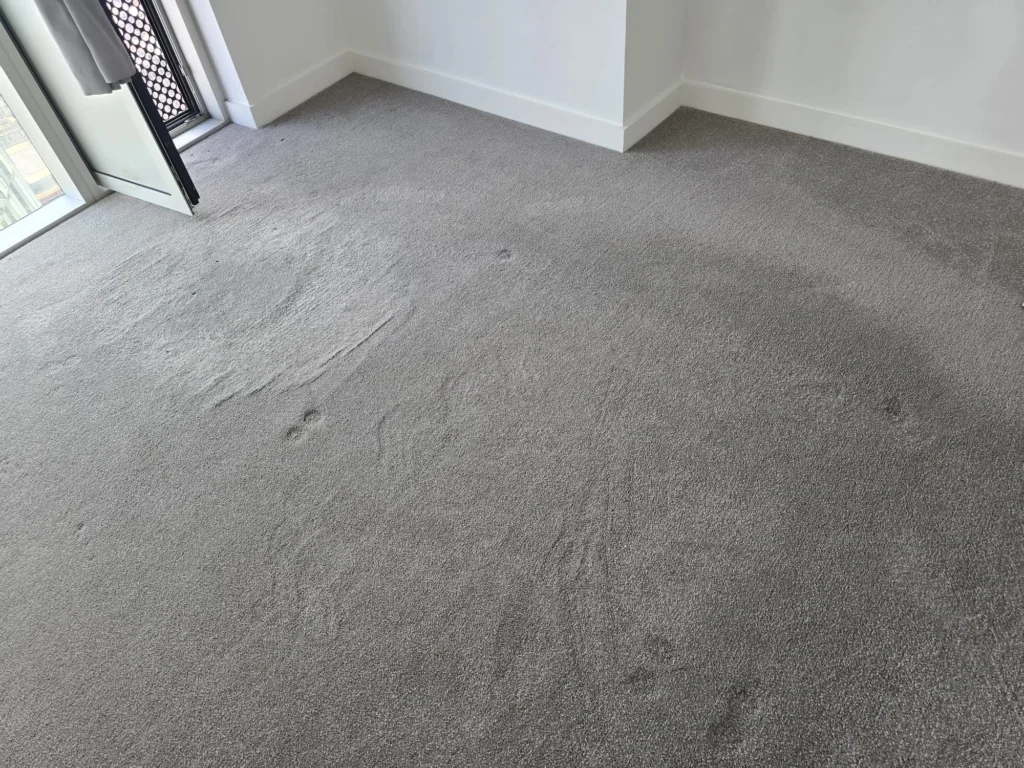
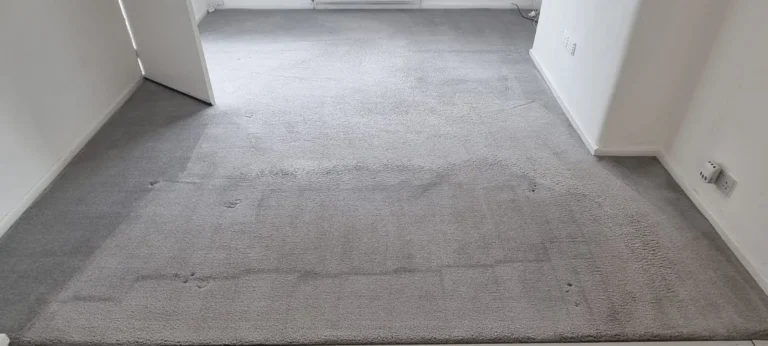
Worn Traffic Lanes Aren't Always Dirty
-
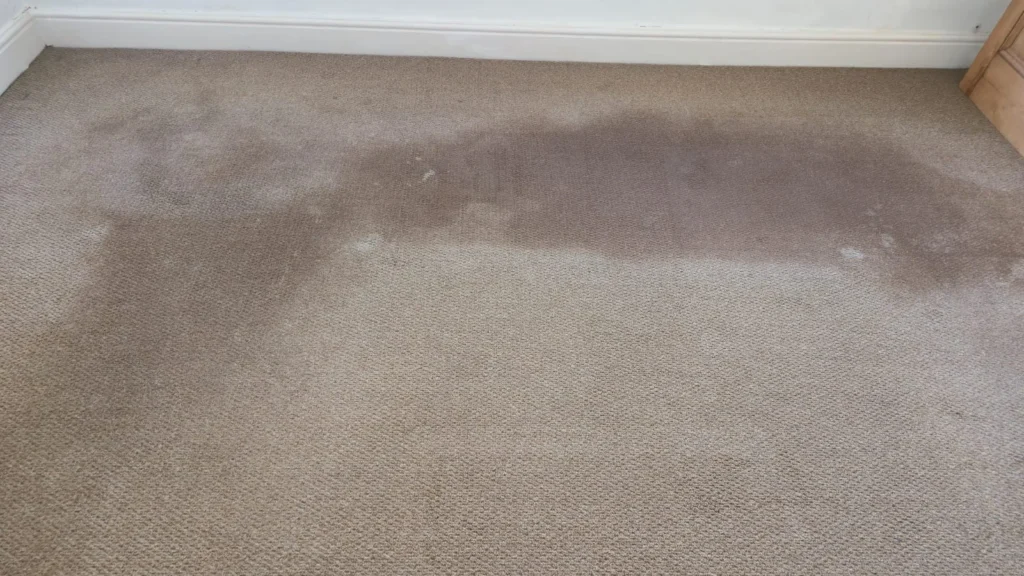
Why Does a Clean Carpet Still Show a Traffic Pattern?
Light reflects differently from flattened, distorted and undamaged carpet fibres. Therefore, two sections of the same freshly cleaned carpet can appear different even when both sections are equally clean. Professional cleaning can remove embedded soil and may improve pile appearance. Nevertheless, it cannot manufacture new fibres or completely reverse years of physical wear. This explains why we always distinguish between soiling and wear before promising a result.
Pile Distortion Can Create a 'Stain' That Changes With the Light
-
How Can You Tell Whether It Is Dirt or Pile Direction?
Look at the area from several directions. If its appearance changes significantly as you move around the room, pile direction may contribute to what you're seeing. Professional cleaning may lift and groom the pile to some degree. However, permanent pile distortion cannot always return to its original appearance. Physical changes caused by use can remain visible even after technicians remove the soil. Again, cleaning didn't fail. The carpet fibres themselves have changed.
Furniture Pressure Marks Can Become Permanent
-
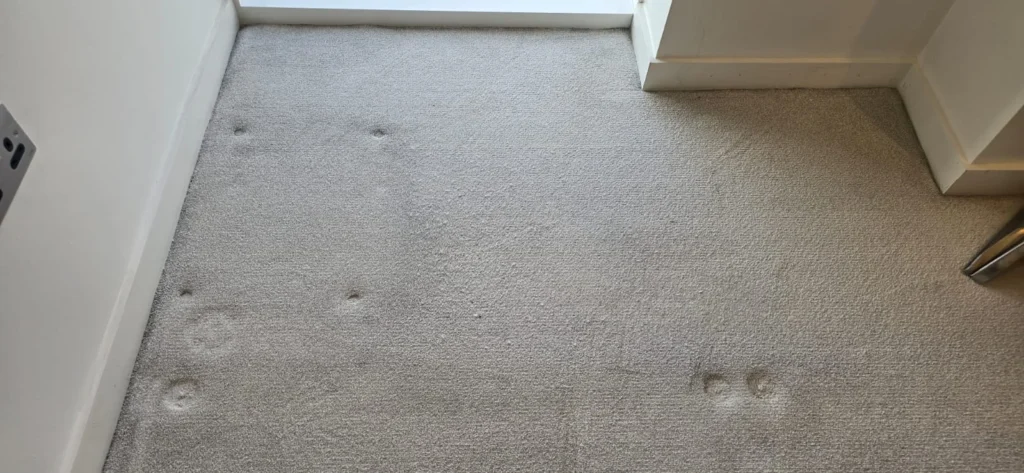
Why Don't Carpet Fibres Always Spring Back?
Carpet fibres have resilience, but they don't have unlimited memory. Long-term pressure can repeatedly compress the pile until the fibres no longer fully return to their original position. Additionally, the carpet backing and underlay can also compress. Therefore, professional cleaning may improve the appearance without eliminating an indentation in old furniture. Prevention helps here. Where practical, occasionally changing furniture position and using appropriate furniture cups can distribute weight more evenly.
Heat Damage and Burns Need Repair, Not Cleaning
- scorch the carpet;
- melt synthetic fibres;
- distort the pile;
- permanently change the colour;
- or destroy fibres completely.
-
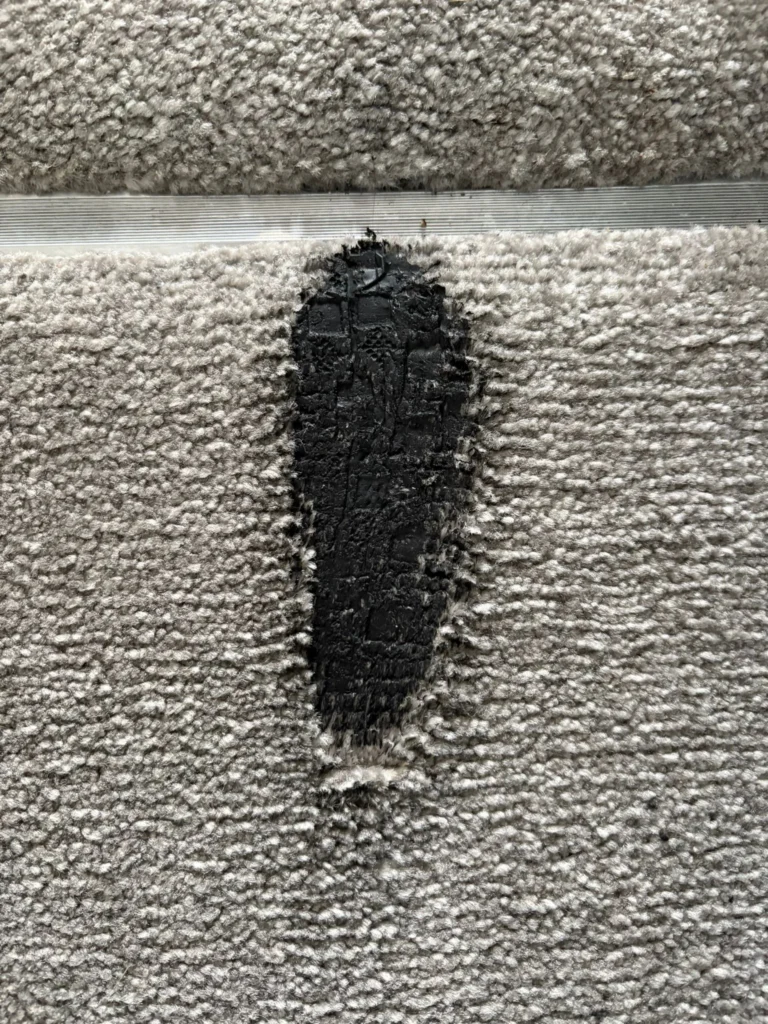
Can You Remove an Iron Burn From Carpet?
You cannot clean away physical heat damage. However, that doesn't automatically mean you need to replace the entire carpet. For localised damage, professional carpet repair can often provide a much more practical solution. A technician may remove the damaged section and install a carefully matched donor piece. Therefore, correctly identifying a burn can save considerable money compared with unnecessarily replacing an entire room's carpet.
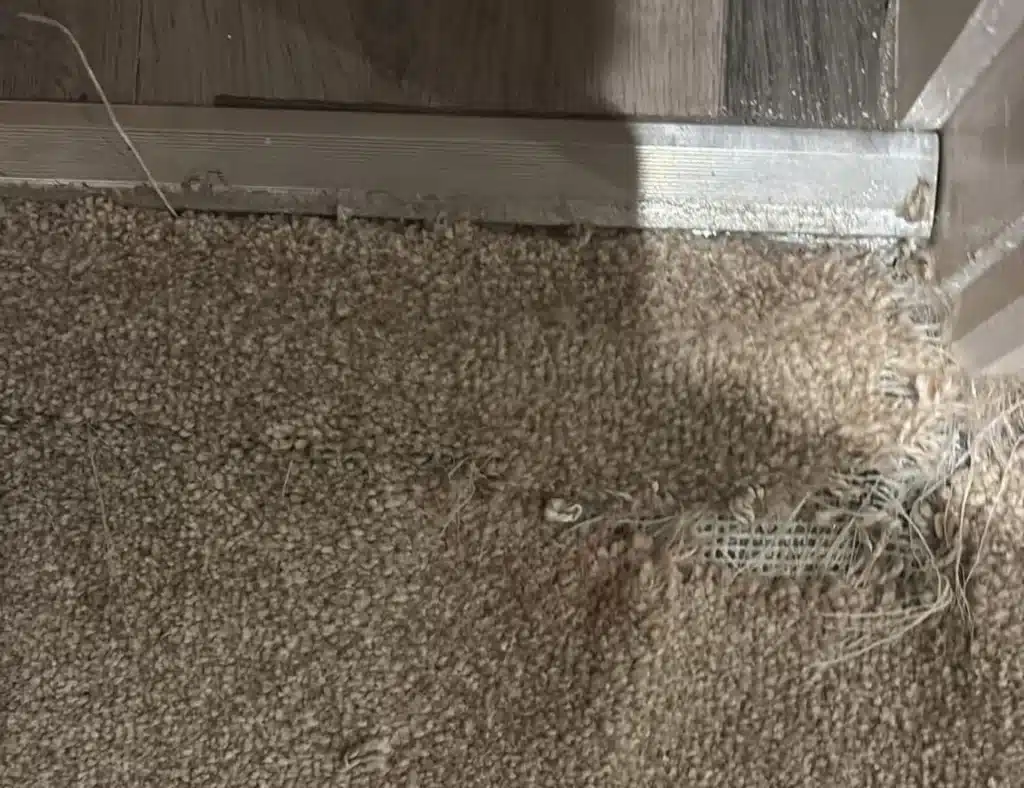
Fraying Edges, Pet Damage and Missing Fibres Are Structural Problems
-
Common Signs of Physical Carpet Damage
Professional cleaning can certainly remove soil from the surrounding carpet. However, the damaged section requires carpet repair rather than stronger cleaning chemicals. Fortunately, localised repair can often prevent a relatively small problem from requiring replacement of the entire carpet.
Why Professional Carpet Assessment Matters
Why DIY Stain Removal Can Sometimes Make the Problem Worse
Cleaning, Repair or Restoration: Which Does Your Carpet Actually Need?
Cleaning, Repair or Restoration: Which Does Your Carpet Actually Need?
Don't Keep Treating a Mark Until You Know What It Is
If you’ve treated the same “stain” several times and nothing changes, stop. You may not have a stain at all. Bleach damage, sunlight fading, pile distortion, furniture indentations, wear, burns, and pet damage can all create marks that professional cleaning cannot simply wash away. More chemicals won’t necessarily solve the problem. In fact, they may make it worse. Instead, a professional assessment can help determine whether your carpet needs deep cleaning, specialist stain treatment, carpet repair, or another form of restoration.
Need Professional Help? Contact Us for Professional Assistance
If you need professional help with carpet damage? Don’t hesitate to contact us!
Call Us: 07825581722
Email: info@nataliacarpetsheriff.co.uk
Maintaining clean upholstery is challenging but manageable with the right tools and techniques. Regular cleaning, prompt stain treatment, and occasional professional cleaning can keep your sofa, armchair, or dining chairs looking and smelling great. If you need further assistance, don’t hesitate to contact Natalia Carpet Sheriff.
Our experienced team is here to help you maintain your upholstery to its best condition.
Why Our Customers Love Us? Read Reviews & Follow Our Social Media!






We hope you enjoyed reading this post. If you’re interested in more awesome content, don’t miss our other post!
Wool Carpets Rescue
The Impact Of Neglected Carpets On Manchester Business Owners
Carpet Repair: Is It Worth the Cost?
Mopping vs Professional Cleaning
Why Carpet Smell Bad After Cleaning?
Top 6 Carpet Cleaning Myths
Professional vs. DIY Upholstery Cleaning
Fantastic Carpet Cleaning Results in Salford
Carpet Care and Maintenance for Pet Owners
The Benefits of Professional Carpet Cleaning: Allergy Relief and Carpets Longevity
Coffee Stains on Carpets: Effective Cleaning Methods
How to Effectively Clean a Carpet at Home: A Step-by- Step Carpet Cleaning Tips
The Importance of Professional Mattress Cleaning
Elevate Your Living with Top-Rated Cleaning Services in Manchester